7 Key Steps in the Sea Moss Gel Production Process: From Ocean Harvest to Final Product
Sea moss gel has become one of the most recognized products in the global wellness and superfood market. Many consumers use sea moss gel as a natural ingredient in smoothies, plant-based recipes, and nutritional supplements. Its versatility and simple preparation have contributed to the rapid growth of sea moss products worldwide.
Related article: https://seamossvietnam.com/sea-moss-products/
Behind this popular product is a carefully managed sea moss gel production process that begins in the ocean and ends with a packaged gel ready for consumption. Each stage of production plays an important role in ensuring safety, consistency, and quality. Harvesting, cleaning, soaking, blending, and quality control all contribute to the final texture and usability of the product.
Understanding how sea moss gel is produced can help consumers appreciate the work involved in transforming raw seaweed into a convenient superfood ingredient. The following sections explain the seven key steps in the sea moss gel production process, from ocean harvest to final packaging.
1. What is Sea Moss gel
 |
 |
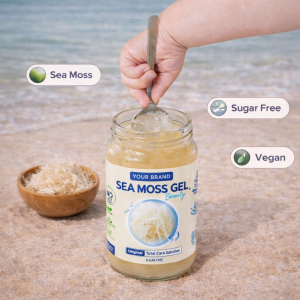
Sea moss gel is produced from sea moss, a type of red algae that grows naturally in coastal marine environments. This seaweed, often referred to as Irish moss, thrives in ocean waters where sunlight and mineral-rich currents support marine plant growth.
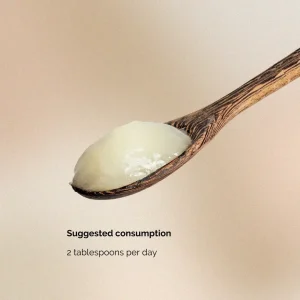
When processed into gel form, sea moss becomes a smooth and slightly thick mixture that can be easily incorporated into many foods and beverages. People often add sea moss gel to smoothies, soups, teas, and desserts because of its neutral taste and natural thickening properties.
In the wellness industry, sea moss gel is valued for its naturally occurring minerals and plant-based origin. According to the National Institutes of Health, seaweed species contain a range of minerals and nutrients that may contribute to balanced nutrition when included in a healthy diet.
More information about seaweed nutrition can be found here: https://ods.od.nih.gov/
Understanding the properties of sea moss is the first step in understanding the overall sea moss gel production process.
2. Harvesting Sea Moss from the Ocean
 |
 |
 |
The production process begins with harvesting sea moss from coastal marine environments. Sea moss typically grows on rocks and coral formations in shallow ocean waters where sunlight and nutrients are abundant.
In many coastal regions, sea moss is harvested manually by local fishermen or seaweed farmers. Harvesters collect the seaweed carefully to protect surrounding marine ecosystems and ensure that sea moss can continue to grow naturally.
Some regions also cultivate sea moss through controlled marine farming methods. Rope-based seaweed farms allow producers to grow sea moss in shallow ocean areas where it can absorb nutrients from seawater while remaining easy to harvest.
According to the Food and Agriculture Organization, global seaweed production has increased significantly over the past two decades as demand for marine-based ingredients continues to rise. (source: https://www.fao.org/3/cc4576en/cc4576en.pd)
Once harvested, the sea moss is transported to processing facilities where the next stages of the sea moss gel production process begin.
3. Cleaning and Preparation process
 |
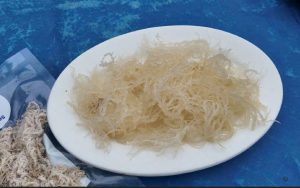 |
After harvesting, sea moss must be thoroughly cleaned before it can be processed into gel. During ocean harvesting, sea moss often collects sand, salt crystals, and small marine particles.
The cleaning stage involves rinsing the seaweed several times with clean water to remove debris and impurities. Workers also inspect the sea moss carefully and remove shells, small stones, or other unwanted materials.
This preparation stage is essential because it ensures that the raw seaweed is suitable for food production. Clean sea moss also helps maintain the desired texture and color in the final gel product.
Proper preparation is therefore a critical step in the sea moss gel production process.
4. Soaking and Hydration
Before blending, sea moss must be soaked in water to soften its structure. This soaking process allows the dried or semi-dried seaweed to absorb water and expand naturally.
During hydration, the sea moss gradually becomes softer and more flexible. This transformation helps the seaweed blend smoothly during the next stage of production.
The soaking stage can take several hours depending on the production method and the condition of the sea moss. Some producers may also change the water several times to ensure freshness and remove any remaining salt.
Hydration is an important stage in the sea moss gel production process because it prepares the seaweed for efficient blending and helps achieve the smooth texture that consumers expect.
5. Blending Sea Moss into Gel

Once the sea moss has been cleaned and fully hydrated, it is blended with water to create the gel. This stage transforms the seaweed into the familiar smooth texture used in foods and beverages.
In small-scale production, sea moss can be blended using high-powered kitchen blenders. In larger commercial facilities, manufacturers may use food-grade industrial mixers designed for large batches.
The ratio of water to sea moss can influence the thickness of the final gel. Some producers adjust the mixture depending on how the gel will be used, whether for smoothies, supplements, or food ingredients.
This blending stage is one of the most recognizable parts of the sea moss gel production process.
6. Quality control in Production
Quality control is an important stage that ensures the final product meets safety and production standards. Manufacturers often examine the gel for consistency, cleanliness, and texture.
In larger production facilities, testing procedures may include microbial safety checks and quality inspections. These measures help ensure that the product meets food-grade standards and is suitable for consumption.
Maintaining high quality standards is especially important as sea moss products gain popularity in the wellness market. Reliable quality control practices help build trust among consumers and distributors.
Because of this, quality assurance is a key component of the overall sea moss gel production process.
7. Final Packaging and Storage
 |
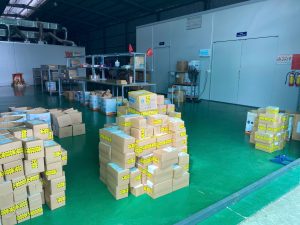 |
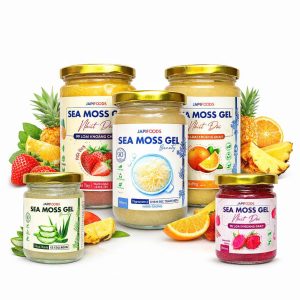
The final stage of the sea moss gel production process is packaging and storage. After blending and quality inspection, the gel is transferred into containers such as glass jars or sealed food-grade packaging.
Proper packaging helps protect the product from contamination while maintaining freshness. Many sea moss gel products are stored in refrigerated conditions to extend shelf life and preserve texture.
Once packaged, the sea moss gel can be distributed to consumers, health brands, or food manufacturers. From ocean harvesting to final packaging, each stage of production contributes to the creation of a safe and versatile superfood product.

Pingback: Sea Moss Nutrition Profile: Key Minerals and Nutrients Explained
Pingback: Sea Moss Packaging Innovations: What Global Buyers Expect in 2026
Pingback: 5 Facts About Heavy Metals in Sea Moss: What You Need to Know
Pingback: Dried Sea Moss: 5 Reasons Global Brands Choose This Sea Moss Raw Material
Pingback: Sea Moss Uses in Industry: Real Applications for Food, Supplements, and Manufacturing - Seamossvietnam