5 Facts About Heavy Metals in Sea Moss: What You Need to Know
Heavy metals in sea moss are becoming an important topic as more consumers and global buyers pay attention to product quality and safety. As the popularity of sea moss continues to grow in the wellness industry, concerns related to heavy metals in sea moss and overall sea moss safety are also increasing.
Sea moss is a type of marine algae that naturally absorbs nutrients from seawater during its growth cycle. However, this same process can also lead to the absorption of trace elements, including heavy metals, depending on ocean conditions and environmental factors. This is why understanding heavy metals in sea moss is essential when evaluating product quality.
For both consumers and businesses, ensuring sea moss safety requires attention to sourcing, processing, and quality testing. By understanding how contamination can occur and how it is controlled, buyers can make more informed decisions when selecting sea moss products.
What Are Heavy Metals?
Heavy metals are naturally occurring elements found in the environment, including water, soil, and air. Common examples include lead, mercury, cadmium, and arsenic. While some metals are essential in small amounts, others may pose risks when present at elevated levels over time.
These elements can enter the food chain through natural processes or human activities such as industrial pollution. As a result, many natural foods—including seafood and seaweed—may contain trace levels of these elements.
Understanding this context is important because it highlights that the presence of trace elements is not unique to sea moss. Instead, it reflects broader environmental conditions and emphasizes the importance of monitoring and quality control in food production.
Can Sea Moss Absorb Heavy Metals?
Sea moss, as a type of marine algae, naturally absorbs nutrients from seawater throughout its growth cycle. This process enables it to accumulate essential minerals such as iodine, magnesium, and potassium, which contribute to its nutritional value. However, alongside these beneficial elements, sea moss may also take in trace substances present in the surrounding marine environment.
The presence of heavy metals in sea moss can vary depending on several key factors. These include water quality, environmental conditions, and proximity to industrial or polluted areas. Sea moss harvested from clean and well-monitored coastal regions generally contains lower levels of contaminants compared to those collected from areas with higher pollution.
For this reason, sourcing plays a crucial role in ensuring product quality and overall sea moss safety. Reliable suppliers typically select harvesting locations carefully and monitor environmental conditions to maintain consistent and safer production standards.

5 Facts About Heavy Metals in Sea Moss
1. Not All Sea Moss Contains High Levels of Heavy Metals
It is important to recognize that not all sea moss contains high levels of contaminants. The composition of sea moss can vary significantly depending on where and how it is harvested, as environmental conditions directly influence what the algae absorbs during its growth.
Sea moss collected from clean, well-managed coastal waters is generally associated with better quality and lower levels of unwanted substances. In contrast, sea moss sourced from polluted or industrial areas may contain higher concentrations of impurities, including trace elements.
This variation highlights the importance of sourcing transparency when evaluating heavy metals in sea moss. Choosing products from reputable suppliers helps ensure better consistency, quality, and overall sea moss safety.

2. Ocean Quality Plays a Key Role
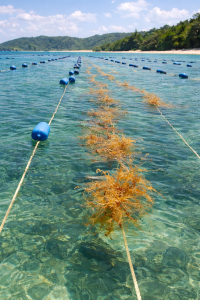
Ocean conditions directly influence the composition of sea moss. Factors such as water circulation, pollution levels, and nearby industrial activity all affect the quality of marine plants.
Regions with clean waters and strong environmental monitoring systems are more suitable for harvesting. These areas help ensure that sea moss grows in a stable and balanced environment, reducing the risk of contamination.
For this reason, many suppliers emphasize sourcing from carefully selected coastal regions.
3. Processing Can Reduce Contaminants
Processing plays an important role in improving product quality. Steps such as washing, soaking, and controlled preparation help remove impurities and reduce unwanted residues.
For sea moss gel products, the production process typically includes multiple stages designed to improve cleanliness and consistency. Proper handling during these stages can significantly enhance overall product safety.
 |
 |
Related article: Sea Moss Gel Production Process
4. Trace Amounts May Still Exist
Even when sea moss is sourced and processed carefully, trace amounts of naturally occurring elements may still be present. This is not unique to sea moss and is commonly found in many natural foods.
The key consideration is whether these levels remain within acceptable safety limits. Regulatory standards are designed to ensure that food products remain safe for consumption.
Understanding this helps consumers avoid unnecessary concern while still making informed choices.
5. Quality Testing Matters
Quality testing is one of the most important factors in ensuring sea moss safety. Reliable manufacturers conduct laboratory tests to verify that their products meet safety standards.
Testing helps confirm that levels of heavy metals remain within regulated limits. It also ensures consistency across batches and builds trust with both consumers and business partners.

source: seamossvietnam.vn
Related article: Sea Moss Supplier for B2B Buyers
Is Sea Moss Safe to Consume?
Sea moss is generally considered safe when it is sourced from clean environments and processed under controlled conditions. The key is ensuring that the product meets established safety standards and undergoes proper testing.
According to the World Health Organization, monitoring exposure to heavy metals is important in maintaining food safety and reducing potential risks.
Source: https://www.who.int/
This reinforces the importance of selecting trusted suppliers and verified products when incorporating sea moss into daily nutrition.
What Consumers Should Keep in Mind
Consumers should take a thoughtful approach when choosing sea moss products. Understanding sourcing, processing, and quality control practices can help ensure a better and safer experience.
Key considerations include:
- choosing products from reputable suppliers
- checking for transparency in sourcing
- looking for evidence of quality testing
- understanding proper storage and usage
By paying attention to these factors, consumers can confidently include sea moss in their daily routines while minimizing potential risks.