
How to Identify High-Quality Dried Sea Moss: 4 Important Signs of Premium Raw Material
At first glance, many dried sea moss batches may look very similar. However, the actual quality of the raw material depends on many important factors behind harvesting, cleaning, drying, and storage processes.
A truly high quality dried sea moss product is not simply about having a lighter color or looking visually clean. More importantly, the raw material should maintain stable natural characteristics before and after soaking, processing, and daily use.
As global demand for marine wellness products continues growing, manufacturers and wellness brands are paying closer attention to raw material consistency, processing quality, and ingredient stability.
1. Cleanliness plays a Major Role in Dried Sea Moss Quality
One of the first indicators of high quality dried sea moss is the cleanliness of the raw material after harvesting and processing.

After harvesting, sea moss may naturally contain:
- sea salt residue
- sand particles
- shell fragments
- natural marine debris
Because of this, proper cleaning and post-harvest handling become extremely important.
A properly processed dried sea moss batch will usually show:
- fewer visible impurities
- no unusual odor
- reduced sticky residue after soaking
This directly affects not only the appearance of the raw material, but also the overall processing experience, texture stability, and final product quality later on.
For wellness brands and manufacturers, cleaner raw material often helps improve consistency during production and product formulation.
According to Food and Agriculture Organization, post-harvest handling and processing quality are important factors within marine food supply systems.
2. Proper Drying and Moisture Balance are essential
Another major factor behind high quality dried sea moss is moisture control during the drying process.
Sea moss must be dried carefully to reduce excess free moisture inside the raw material. If moisture remains too high, the sea moss may become:
- soft or sticky
- unstable during storage
- more sensitive to spoilage conditions
At the same time, excessive heat exposure or over-drying may also damage the natural structure of the sea moss itself.
A properly dried sea moss batch usually has:
- relatively loose and dry strands
- minimal clumping
- stable texture during storage
One important sign of balanced drying is whether the sea moss can still recover its natural texture properly after soaking.
This balance between moisture reduction and structural preservation is one reason why professional drying systems and storage management are increasingly important within the modern sea moss industry.
You can also explore our related article about natural vs cultivated sea moss differences to better understand how cultivation conditions influence raw material consistency.
3. Natural Color matters more than overly Bright Appearance
Many consumers assume lighter or brighter sea moss automatically means better quality. In reality, the color of dried sea moss can naturally vary depending on:
- ocean region
- growing environment
- mineral conditions
- post-harvest processing
Because of this, natural color consistency is often more important than simply having the lightest appearance possible.
A high quality dried sea moss batch should maintain a natural-looking appearance without showing signs such as:
- unusual dark patches
- uneven discoloration
- signs of improper storage or processing
Natural appearance usually reflects more stable handling conditions throughout harvesting and drying processes.
As international wellness markets continue growing, many buyers are increasingly prioritising ingredient authenticity and minimally processed marine ingredients rather than heavily altered appearance.
At Seamoss Vietnam sourcing solutions, we focus on supplying sea moss products designed for modern wellness and functional food applications.
4. Rehydration Performance reflects Raw Material Stability
One of the clearest indicators of high quality dried sea moss is how the material performs after soaking.
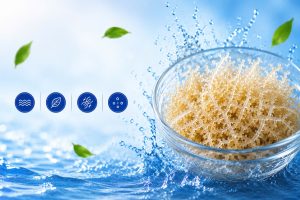 When properly rehydrated, quality sea moss will usually:
- expand relatively evenly
- soften naturally
- maintain slight elasticity
- avoid breaking down too quickly
This is an important sign that the natural structure of the sea moss has remained relatively stable throughout drying and storage processes.
Poor-quality sea moss may become excessively mushy, dissolve unusually fast, or lose consistency quickly after soaking. These signs may indicate issues related to drying balance, storage conditions, or processing quality.
For manufacturers developing wellness products, stable rehydration performance is especially important because it affects:
- gel consistency
- processing efficiency
- product texture
- formulation reliability
This is also closely connected to the broader topic discussed in our article about sea moss gel texture explained, where ingredient stability and texture consistency play a major role in final product quality.
Seamoss Vietnam — Supporting Reliable Sea Moss Sourcing
At Seamoss Vietnam, we focus on supplying sea moss raw materials and wellness-oriented marine ingredients for modern international markets.

Our sourcing approach emphasizes:
- cleaner processing standards
- stable drying systems
- scalable supply consistency
- wellness-focused ingredient development
As the marine wellness industry continues evolving, we believe raw material quality and responsible processing will remain essential foundations for better sea moss products worldwide.
Conclusion
A high quality dried sea moss product is not defined only by appearance. True quality comes from how well the raw material maintains its natural characteristics throughout harvesting, cleaning, drying, storage, and rehydration processes.
Factors such as cleanliness, moisture balance, natural appearance, and soaking performance all help reflect the overall stability of the raw material.