Natural vs Cultivated Sea Moss: 5 Key Differences Explained
As sea moss products continue expanding across global wellness markets, sourcing has become an increasingly important topic for both consumers and businesses. One of the most common discussions in the industry today is the difference between natural vs cultivated sea moss.
Although both types are widely used in wellness and functional nutrition products, they differ in growing conditions, supply consistency, appearance, and commercial applications. Understanding these differences helps wellness brands choose the right sourcing strategy based on product positioning and long-term business goals.
What is Natural Sea Moss?
 Natural sea moss, often called wildcrafted sea moss, grows freely in ocean environments without structured farming systems. It develops under constantly changing marine conditions such as ocean currents, sunlight exposure, salinity, and seasonal climate patterns.
Because of these environmental factors, natural sea moss often develops a more irregular appearance and less predictable structure. Some batches may appear darker, denser, or rougher depending on where and when the sea moss was harvested.
Natural sea moss is commonly associated with:
- ocean-grown harvesting
- traditional sourcing methods
- minimally controlled growth environments
This natural positioning has helped wildcrafted sea moss become especially attractive within premium wellness and clean-label product categories.
What is Cultivated Sea Moss?
Cultivated sea moss is produced through organized marine farming methods designed to improve supply consistency and production scalability. Instead of relying entirely on naturally growing sea moss populations, farmers use ropes or controlled marine systems to support more efficient harvesting cycles.

Compared to wildcrafted varieties, cultivated sea moss often appears cleaner, lighter, and more uniform in structure. These characteristics can simplify processing for wellness products such as sea moss gel, wellness beverages, and seaweed extract formulations.
Cultivated sea moss is commonly used in:
- large-scale wellness manufacturing
- sea moss gel production
- private label wellness products
As demand for sea moss products continues increasing globally, cultivated farming systems are becoming increasingly important for businesses requiring reliable long-term supply.
Natural vs Cultivated Sea Moss: Key Differences
1. Growing environment
The biggest difference between natural vs cultivated sea moss is the environment in which they grow. Natural sea moss develops freely in changing ocean conditions, while cultivated sea moss is grown through organized farming systems designed to create more controlled production environments.
These growing conditions influence not only appearance and texture, but also harvesting efficiency and production stability.
2. Supply consistency and scalability
Natural sea moss harvesting depends heavily on weather conditions and natural marine availability. This can create fluctuations in supply volume throughout the year.
Cultivated sea moss allows producers to manage harvesting schedules more efficiently, helping create more stable production capacity for wellness brands and B2B manufacturing.
For companies operating in growing wellness markets, sourcing consistency has become increasingly valuable for long-term product planning.
3. Appearance and Texture
Natural sea moss often develops irregular branching patterns and darker coloration because it grows under uncontrolled marine conditions. Its texture may appear denser or rougher depending on drying methods and environmental exposure.
Cultivated sea moss usually has a lighter appearance and more consistent structure due to controlled farming systems. This softer and cleaner appearance can also make it easier to process into sea moss gel and wellness beverages.
These visual differences do not automatically determine product quality, but they do influence product presentation and consumer perception.
4. Sustainability considerations
As global demand for sea moss continues increasing, sustainability has become an important topic within the industry.
Wild harvesting requires responsible management to avoid excessive pressure on natural marine ecosystems. Long-term ocean sustainability depends heavily on balanced harvesting practices.
Cultivated sea moss farming helps support more scalable production systems while reducing dependence on naturally growing sea moss populations. This makes cultivation increasingly valuable for commercial wellness supply chains.
According to Food and Agriculture Organization, sustainable marine farming practices continue becoming increasingly important within global ocean-based industries.
5. Commercial applications and Market positioning
Natural sea moss is often associated with premium wellness positioning because many consumers connect it with traditional ocean-grown sourcing and artisanal harvesting methods.
Cultivated sea moss is commonly preferred for scalable wellness manufacturing because of its stable supply and processing consistency. Many businesses use cultivated sea moss in seaweed extract products, wellness beverages, and private label formulations designed for larger markets.
Both types continue playing important roles within the expanding sea moss wellness industry depending on brand identity, sourcing strategy, and commercial goals.
Nutritional and Quality considerations
Consumers often assume that natural sea moss automatically offers better nutritional value than cultivated sea moss. In reality, quality depends on multiple factors including harvesting conditions, processing methods, drying systems, storage practices, and overall quality control.
Both natural and cultivated sea moss may contain naturally occurring minerals commonly associated with marine wellness ingredients.
According to the National Institutes of Health, minerals such as iodine and magnesium contribute to important physiological functions and nutritional balance.
For modern wellness brands, sourcing transparency and production consistency are often more important than simply choosing one sourcing method over another.
How Seamoss Vietnam approaches sourcing and quality consistency
At Seamoss Vietnam, we focus on sourcing solutions designed for modern wellness businesses and international B2B markets.
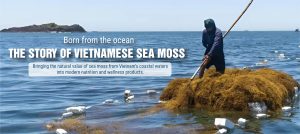
Our approach emphasizes:
- sourcing consistency
- production reliability
- clean-label wellness positioning
We work with sea moss ingredients used in seaweed extract products, wellness beverages, and functional nutrition concepts while supporting scalable supply solutions for global partners.
As a growing sea moss supplier Vietnam, we continue supporting businesses looking for flexible sourcing strategies and wellness-focused ingredient solutions for international markets.
Conclusion
Understanding the differences between natural vs cultivated sea moss helps wellness brands and consumers make better sourcing decisions based on product goals, scalability, and market positioning.
While natural sea moss is often associated with traditional ocean-grown harvesting, cultivated sea moss provides important advantages in production stability and commercial scalability. Both types continue contributing to the rapid growth of marine-based wellness products worldwide.
At Seamoss Vietnam, we continue supporting modern wellness brands through reliable sourcing strategies, scalable ingredient solutions, and sea moss wholesale supply designed for international markets.