Sea Moss Supplier Checklist: 8 Real Tests Buyers Use Before Choosing a Supplier
Most content about supplier selection focuses on general factors such as price, certifications, or product quality. However, in real sourcing situations, experienced buyers rely on practical evaluation methods rather than theory. This is why having a structured sea moss supplier checklist is essential before making any purchasing decision.
A well-defined sea moss supplier checklist helps buyers verify actual supplier performance instead of relying on claims. It allows businesses to identify risks early, especially when sourcing internationally where quality inconsistency and documentation issues are common.
According to the Food and Agriculture Organization, transparency and traceability are critical in global seaweed supply chains. Source: https://www.fao.org/home/en
If you are learning how to choose sea moss supplier, applying real-world tests will help you make more reliable and scalable sourcing decisions.
1. The Sample Test
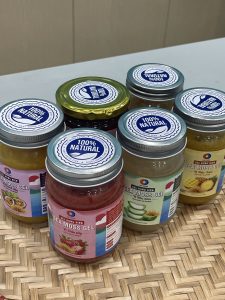
Requesting a sample is standard practice, but the real value lies in how that sample is tested. A strong sea moss supplier checklist requires buyers to go beyond visual inspection and evaluate how the product performs in real use. Buyers should test hydration behavior, texture after soaking, smell, and overall cleanliness. This step is especially important in how to choose sea moss supplier, as it reveals whether the material is suitable for production.
A reliable supplier provides samples that reflect actual bulk production, not selectively chosen pieces. This is one of the most important indicators in any sea moss supplier checklist.
 |
 |
2. The Consistency Test
Evaluating only one sample is not enough. A professional sea moss supplier checklist always includes testing consistency across multiple batches. Buyers should request samples from different batches and compare variations in color, structure, and moisture. Inconsistent batches can lead to production instability, especially for gel or supplement manufacturing.
Understanding consistency is a key step in how to choose sea moss supplier, as it directly affects long-term scalability.
3. The Transparency Test
Transparency is one of the most overlooked factors in a sea moss supplier checklist, yet it often determines long-term reliability. Suppliers should clearly explain sourcing origin, harvesting methods, and processing steps. Vague or inconsistent answers may indicate a lack of control over production.
For buyers focused on how to choose sea moss supplier, transparency is often a stronger signal than pricing or marketing claims.

4. The Documentation Test
👉 Related article: Sea Moss Export Documents
According to the World Bank, documentation errors are a major cause of delays in global trade. Source: https://www.worldbank.org
For businesses learning how to choose sea moss supplier, strong documentation management is a key indicator of professionalism and reliability.
5. The Communication Test
Communication plays a critical role in supplier performance. A strong sea moss supplier checklist includes evaluating how quickly and clearly a supplier responds.
Slow responses, unclear answers, or inconsistent communication often lead to operational issues later. Buyers should observe communication patterns early in the sourcing process.
Effective communication is essential in how to choose sea moss supplier, especially when managing international logistics and time lines
6. The MOQ Reality Test
👉 Related article: Flexible MOQ Sea Moss
This step is essential in how to choose sea moss supplier, particularly for startups or businesses testing new products. Flexible MOQ indicates a willingness to build long-term partnerships.

7. The Problem Response Test
A strong sea moss supplier checklist includes testing how suppliers respond to challenges. Buyers can ask complex questions or raise concerns to evaluate response quality.
Reliable suppliers provide clear, structured solutions, while weaker suppliers may avoid or delay responses. This test reflects how issues will be handled during real transactions.
Understanding problem response is a critical part of how to choose sea moss supplier.
8. The Long-Term Fit Test
The final step in a sea moss supplier checklist is evaluating long-term compatibility. A supplier may perform well initially but struggle to scale with growing demand.
Conclusion
A structured sea moss supplier checklist helps buyers move beyond assumptions and evaluate real supplier performance. By applying these practical tests, businesses can reduce sourcing risks and build stronger partnerships. Understanding how to choose sea moss supplier is not just about comparing prices—it requires evaluating consistency, transparency, communication, and long-term reliability.

source: seamossvietnam.com
Pingback: Sea Moss Lead Time: How long does Sourcing and Shipping take? - Seamossvietnam