7 global Sea Moss sourcing regions: where Sea Moss really comes from
Sea moss has become one of the most popular superfoods in the global wellness industry. As demand for plant-based nutrition and natural supplements continues to rise, more consumers and health brands are asking the same question: where does sea moss come from?
Understanding sea moss sourcing is important because the environment where sea moss grows can influence its texture, mineral content, and overall quality. Sea moss is a type of red algae that thrives in coastal waters with strong sunlight, ocean minerals, and steady currents.
Today, sea moss is harvested or cultivated in several regions around the world. Some areas rely on traditional ocean harvesting, while others focus on seaweed farming to meet growing global demand.
Below are seven important regions where sea moss grows and contributes to the international sea moss supply chain.
1. Caribbean Sea
The Caribbean is widely recognized as the traditional home of sea moss harvesting. Countries such as Jamaica, St. Lucia, and the Dominican Republic have long histories of collecting sea moss from coastal waters. In these tropical regions, sea moss grows naturally on rocks and coral reefs along the shoreline. Local communities often harvest the seaweed manually before drying it in the sun.
Because of this long tradition, Caribbean sea moss is often associated with authentic and wild-harvested products. As a result, the Caribbean remains one of the most well-known areas for sea moss sourcing worldwide.
 |
 |
2. Jamaica

Jamaica is one of the most famous locations connected to sea moss culture. Sea moss has been used in Jamaican beverages and desserts for generations, especially in drinks made with milk and spices.
The warm coastal waters surrounding Jamaica create favorable conditions for sea moss growth. Many local fishermen collect sea moss from shallow ocean environments and dry it before selling it in domestic markets. Due to its cultural significance and long harvesting history, Jamaica continues to play an important role in global awareness of where sea moss grows.
3. St. Lucia
 |
 |
St. Lucia has also become a key location for sea moss production in the Caribbean. The island’s coastal waters support both traditional harvesting and small-scale seaweed farming.
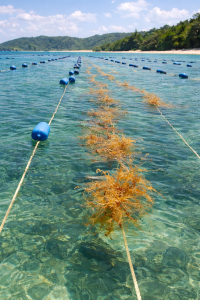
Sea moss farming has become an important economic activity for some coastal communities in St. Lucia. Farmers grow sea moss on ropes suspended in shallow ocean areas, allowing the seaweed to absorb nutrients from the surrounding water. These farming techniques help increase production while supporting sustainable sea moss sourcing practices.
4. Tanzania
 |
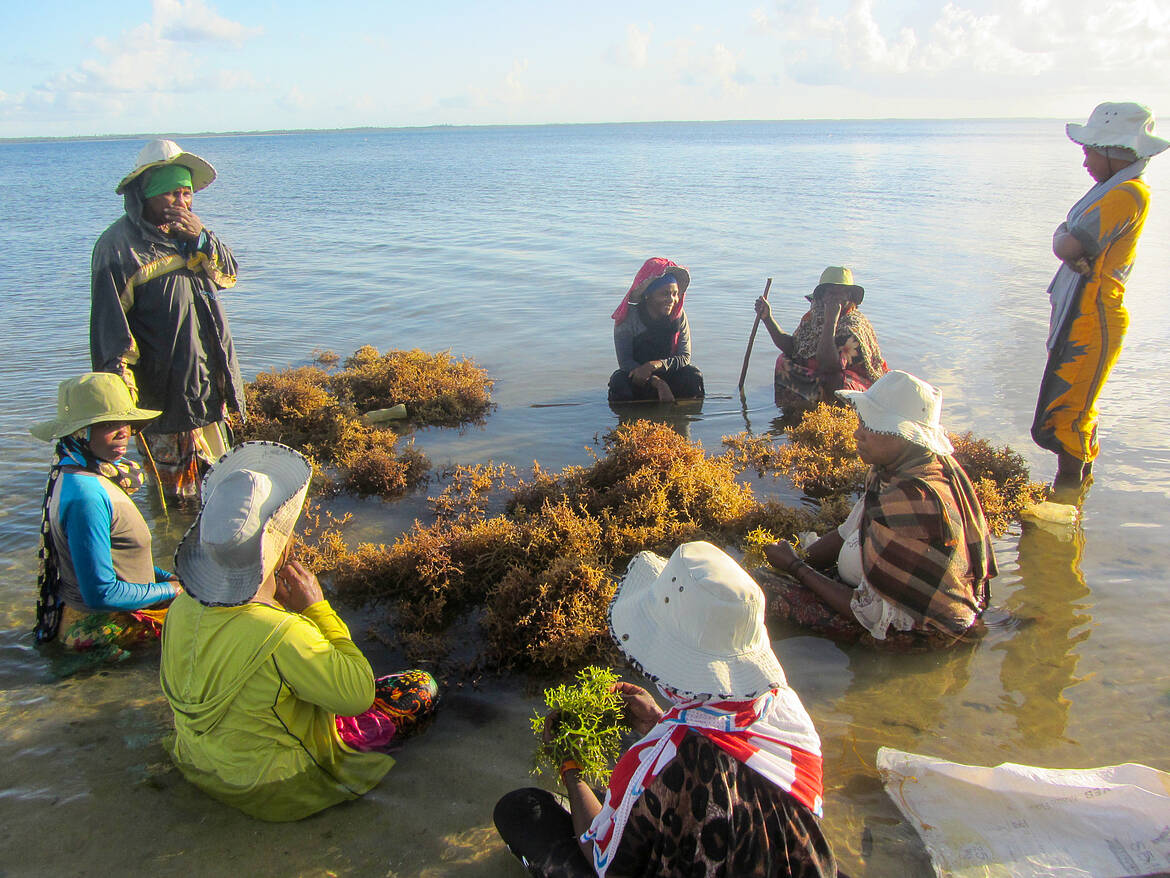 |
In recent years, East Africa has emerged as an important contributor to the global seaweed industry. Tanzania is one of the leading seaweed-producing countries in Africa.
Seaweed farming in Tanzania often takes place in shallow coastal waters where farmers cultivate different species of red algae. These seaweeds are harvested and dried before being exported to international markets. As global demand grows, Tanzania is becoming a significant region in the global sea moss sourcing network.
5. Madagascar
 |
 |
Madagascar is another African country involved in seaweed production. The island’s long coastline and warm ocean conditions create favorable environments for seaweed cultivation.
Local producers often grow seaweed using rope farming techniques similar to those used in other parts of the world. After harvesting, the seaweed is dried and prepared for export. Madagascar’s participation in the seaweed industry highlights how global interest in where sea moss grows continues to expand beyond traditional Caribbean regions.
6. Southeast Asia
Southeast Asia is one of the largest seaweed-producing regions in the world. Countries in this region have developed extensive marine farming systems for seaweed cultivation.
Seaweed from Southeast Asia is often used in food products, cosmetics, and nutritional supplements. The region also plays a growing role in the processing and export of seaweed-based ingredients. Because of its established marine agriculture industry, Southeast Asia is becoming increasingly important for global sea moss sourcing.
 |
 |
7. Vietnam
 |
 |
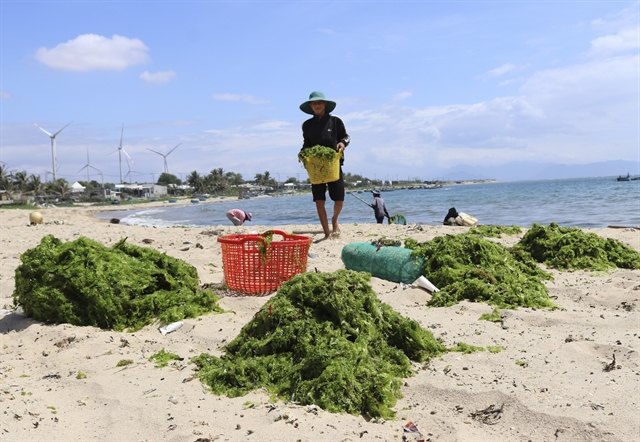 |
Vietnam is emerging as an important location for seaweed processing and marine agriculture. The country’s long coastline and favorable ocean conditions allow for the cultivation and harvesting of various seaweed species.
Vietnam has also invested in processing technologies that transform raw seaweed into higher-value products such as powders, gels, and nutritional supplements.
These developments position Vietnam as a growing participant in the international sea moss supply chain and highlight its potential in future sea moss sourcing.
The future of global Sea Moss sourcing
As the wellness industry continues to grow, the demand for seaweed-based ingredients is expected to increase. According to the Food and Agriculture Organization, global seaweed production has expanded rapidly over the past two decades. (source: https://www.fao.org/3/cc4576en/cc4576en.pdf)
With rising interest in superfoods and plant-based nutrition, the global network of sea moss sourcing regions is likely to continue expanding.
Different regions will contribute unique environmental conditions, harvesting methods, and processing capabilities, shaping the future of the sea moss industry.
Learn more about Sea Moss production
If you want to explore more about regional production, you can also read our guide on sea moss in Vietnam and how the country is becoming an emerging hub in global sea moss sourcing.
https://seamossvietnam.com/seamossvietnam-natural-of-the-sea/