

5 Sea Moss Processing Mistakes That Affect Quality and Safety
Sea moss processing mistakes can significantly impact the final quality, safety, and consistency of sea moss products, especially in large-scale production. While many buyers focus on sourcing origin, the reality is that a major portion of product issues actually occurs during the sea moss production process, particularly in stages such as cleaning, drying, moisture control, and storage.
As global demand for sea moss continues to grow across supplements, functional foods, and beverages, maintaining consistent quality standards has become increasingly important. Even small errors in processing can lead to contamination risks, inconsistent texture, reduced shelf life, and performance issues in end products. For brands operating in competitive markets, these problems can directly affect customer trust and long-term business growth.
In addition, food safety organizations such as the Food and Agriculture Organization emphasize the importance of proper handling and processing of marine-based ingredients to ensure safety and sustainability across the supply chain.
Source: https://www.fao.org/home/en
For global buyers and manufacturers, understanding common sea moss processing mistakes is essential not only for avoiding risks but also for selecting reliable suppliers. A well-controlled sea moss production process ensures consistent quality, regulatory compliance, and scalability—key factors for long-term success in the sea moss industry.
Why Processing Matters in Sea Moss Quality
The sea moss production process plays a critical role in determining the final product quality. Each stage—from raw material handling to packaging—must be carefully controlled to ensure safety and consistency.
Sea moss naturally absorbs nutrients from its environment, making it sensitive to handling conditions. Without proper processing standards, even high-quality raw materials can become compromised. A well-managed process ensures stable quality, longer shelf life, and better performance in final applications.
Common Sea Moss Processing Mistakes
1. Inadequate Cleaning of Raw Sea Moss
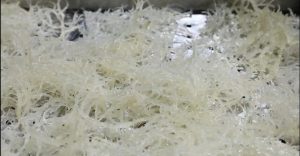
One of the most common sea moss processing mistakes is insufficient cleaning. Raw sea moss often contains sand, salt, and natural debris that must be removed before further processing. If cleaning is not done properly, these impurities can remain in the final product, affecting both safety and texture. Over time, this can also increase contamination risks, especially for food-grade applications.

source: seamossvietnam.com
2. Improper Drying Techniques
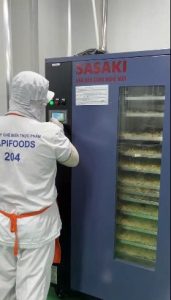
Drying is a crucial stage in the sea moss production process, yet it is often mismanaged. Over-drying can damage the natural structure of sea moss, while under-drying leaves excess moisture that can lead to spoilage. Proper drying techniques help preserve product quality, maintain texture, and ensure longer shelf life. Controlled drying conditions are essential for achieving consistent results across batches.
 |
 |
source: seamossvietnam.com
3. Inconsistent Moisture Levels
4. Lack of Quality Control During Processing
Without strict quality control, inconsistencies can occur across batches. This is one of the most critical sea moss processing mistakes affecting product reliability. Issues such as lack of testing, inconsistent procedures, and poor monitoring can lead to unpredictable product quality. Reliable suppliers implement structured quality control systems to maintain consistency and meet international standards.
👉 Related article: Sea Moss Supplier for B2B Buyers

5. Poor Storage and Handling Conditions
Even after proper processing, poor storage can compromise product quality. Exposure to humidity, heat, or contamination can degrade sea moss quickly. Proper storage conditions ensure that the product maintains its quality from production to delivery, especially for export markets.
Impact on Product Quality and Safety
The impact of sea moss processing mistakes extends beyond production. Poor processing can lead to safety concerns, inconsistent texture, and reduced functionality.
For businesses, this can result in customer complaints, product recalls, and damage to brand reputation. Maintaining a controlled sea moss production process is essential to avoid these risks.
How Reliable Suppliers Avoid These Mistakes
Professional suppliers implement structured systems to minimize risks. This includes standardized procedures, controlled environments, and strict monitoring throughout the production process.
By managing every stage carefully, reliable suppliers ensure consistent quality, safety, and performance across all products.

Conclusion
Understanding sea moss processing mistakes is essential for ensuring product quality and safety. From cleaning and drying to storage and quality control, every step in the sea moss production process plays a critical role.
For global buyers, working with experienced and reliable suppliers is the key to maintaining consistency and achieving long-term success in the sea moss industry