Sea Moss and Marine Ecosystems: 4 Important Roles Beneath the Ocean
When people talk about sea moss, most conversations focus on wellness products, nutrition, or functional beverages. However, beyond its growing popularity in modern wellness markets, sea moss also plays an important role inside coastal marine ecosystems.
In nature, sea moss exists as part of a much larger underwater environment where countless biological interactions happen every day. From supporting marine biodiversity to participating in natural carbon cycles, sea moss contributes to the balance of ocean ecosystems in ways many people do not immediately recognize.
As interest in sustainable marine ingredients continues growing globally, understanding the connection between sea moss marine ecosystem health and responsible cultivation is becoming increasingly important.
1. Sea Moss participates in Natural Carbon Cycles
Like many marine plants and seaweeds, sea moss naturally performs photosynthesis within ocean environments. During this process, it absorbs carbon dioxide directly from surrounding seawater while interacting with natural marine nutrient systems.
Because of this, sea moss contributes to broader ocean carbon cycles that help support environmental balance within coastal ecosystems.
The growing conversation around sea moss marine ecosystem sustainability is closely connected to increasing global interest in marine-based environmental systems and ocean conservation efforts.
According to National Oceanic and Atmospheric Administration, marine vegetation and ocean ecosystems play an important role in natural carbon processes and environmental stability.
2. Sea Moss creates Shelter for Marine Life
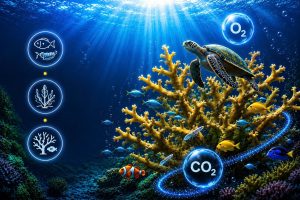 Natural sea moss environments also provide shelter and protection for many smaller marine organisms.
In coastal ecosystems, sea moss clusters may create spaces where juvenile fish, small crustaceans, and microorganisms can find protection and food sources during early growth stages.
These underwater environments contribute to marine biodiversity by supporting habitats where different organisms interact within coastal food systems.
This is one reason why healthy sea moss marine ecosystem environments are closely connected to broader ocean biodiversity and coastal ecological balance.
Although sea moss may appear simple from the surface, underwater marine vegetation often supports far more biological activity than many people realize.
3. Sea Moss absorbs Minerals from The Ocean environment
One unique characteristic of sea moss is its ability to absorb minerals and nutrients directly from surrounding seawater.
Because of this property, ocean quality and cultivation conditions have a major influence on the overall quality and characteristics of harvested sea moss.
The connection between cultivation environments and product quality is becoming increasingly important within the global wellness industry, especially as consumers become more interested insourcing transparency and sustainable marine farming systems.
In discussions about sea moss marine ecosystem sustainability, clean ocean environments are considered essential not only for marine biodiversity, but also for responsible sea moss cultivation and long-term farming stability.
4. Sea Moss and Sustainable Ocean Farming
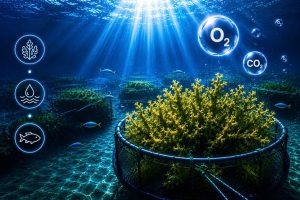 As marine wellness industries continue growing, researchers and aquaculture industries are paying more attention to sustainable ocean farming systems.
Sea moss and other marine plants are increasingly studied within sustainable aquaculture models because of their interaction with marine nutrient cycles and coastal ecosystems.
Controlled marine farming systems may help support:
- more stable cultivation environments
- scalable marine farming
- reduced environmental pressure on wild harvesting zones
According to Food and Agriculture Organization, sustainable aquaculture continues becoming increasingly important as global demand for marine-based food and wellness products expands.
As awareness around marine sustainability grows, responsible cultivation practices are becoming an increasingly important part of the future sea moss industry.
Why Ocean Quality matters for Sea Moss Cultivation
The quality of marine farming environments has a direct influence on sea moss development and harvesting outcomes.
Because sea moss absorbs nutrients directly from seawater, factors such as water cleanliness, environmental balance, and cultivation management all contribute to product quality and cultivation sustainability.
This is why discussions around sea moss marine ecosystem health are increasingly connected to modern sea moss sourcing standards and responsible cultivation practices.
For wellness brands and B2B buyers, understanding sourcing environments is becoming just as important as understanding the final product itself.
Seamoss Vietnam and Responsible Marine Sourcing
At Seamoss Vietnam, we believe the value of sea moss is closely connected to the quality of the marine environment where it is cultivated. As global demand for marine wellness products continues growing, responsible sourcing and cultivation awareness are becoming increasingly important within the industry.
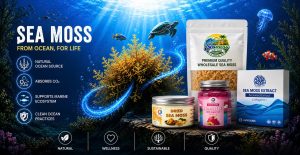
Because sea moss absorbs minerals and nutrients directly from seawater, ocean conditions play a major role in cultivation quality and harvesting outcomes. Cleaner and more stable marine farming environments may help support better product consistency while also encouraging more sustainable cultivation practices.
Our approach focuses on:
- cleaner cultivation environments
- scalable marine farming systems
- wellness-focused ingredient development
As the sea moss industry continues expanding internationally, controlled cultivation and sustainable marine farming are expected to play an increasingly important role in the future of marine wellness products.
Conclusion
Sea moss is more than simply a wellness ingredient. Within nature, it also exists as part of a larger marine ecosystem that supports biodiversity, natural nutrient cycles, and coastal environmental balance.
As awareness around sustainability and ocean-based wellness products continues growing, understanding the role of the sea moss marine ecosystem is becoming increasingly valuable for both consumers and businesses.